
For Australians stepping into the world of digital assets, understanding how to buy bitcoin in a safe, efficient, and regulation-compliant manner is crucial. As the cryptocurrency market continues to mature and integrate into the mainstream economy, navigating the complexities of Australian regulations, choosing the right platform, and securing your assets can feel overwhelming. Fortunately, the landscape has evolved significantly, with multiple trusted exchanges, clear legal frameworks under AUSTRAC, and a variety of payment methods that make the process accessible for beginners. This guide sheds light on these essential points with practical insights and expert tips to empower you on your bitcoin investment journey.
En bref:
- You can legally buy Bitcoin in Australia through platforms compliant with AUSTRAC regulations.
- Leading exchanges like Binance, Kraken, and Swyftx offer beginner-friendly options with competitive fees.
- Completing Know Your Customer (KYC) verification is mandatory before making any Bitcoin purchase.
- Bank restrictions on crypto transactions exist, so selecting AUSTRAC-registered exchanges helps avoid payment blocks.
- Understanding fee structures and crypto wallet setup is essential for safe bitcoin buying.
- Alternative methods like Crypto ATMs and peer-to-peer platforms come with higher risks and costs.
- Maintaining security through proper crypto wallet management is a vital step after purchase.
Understanding the Legal Landscape for Buying Bitcoin in Australia
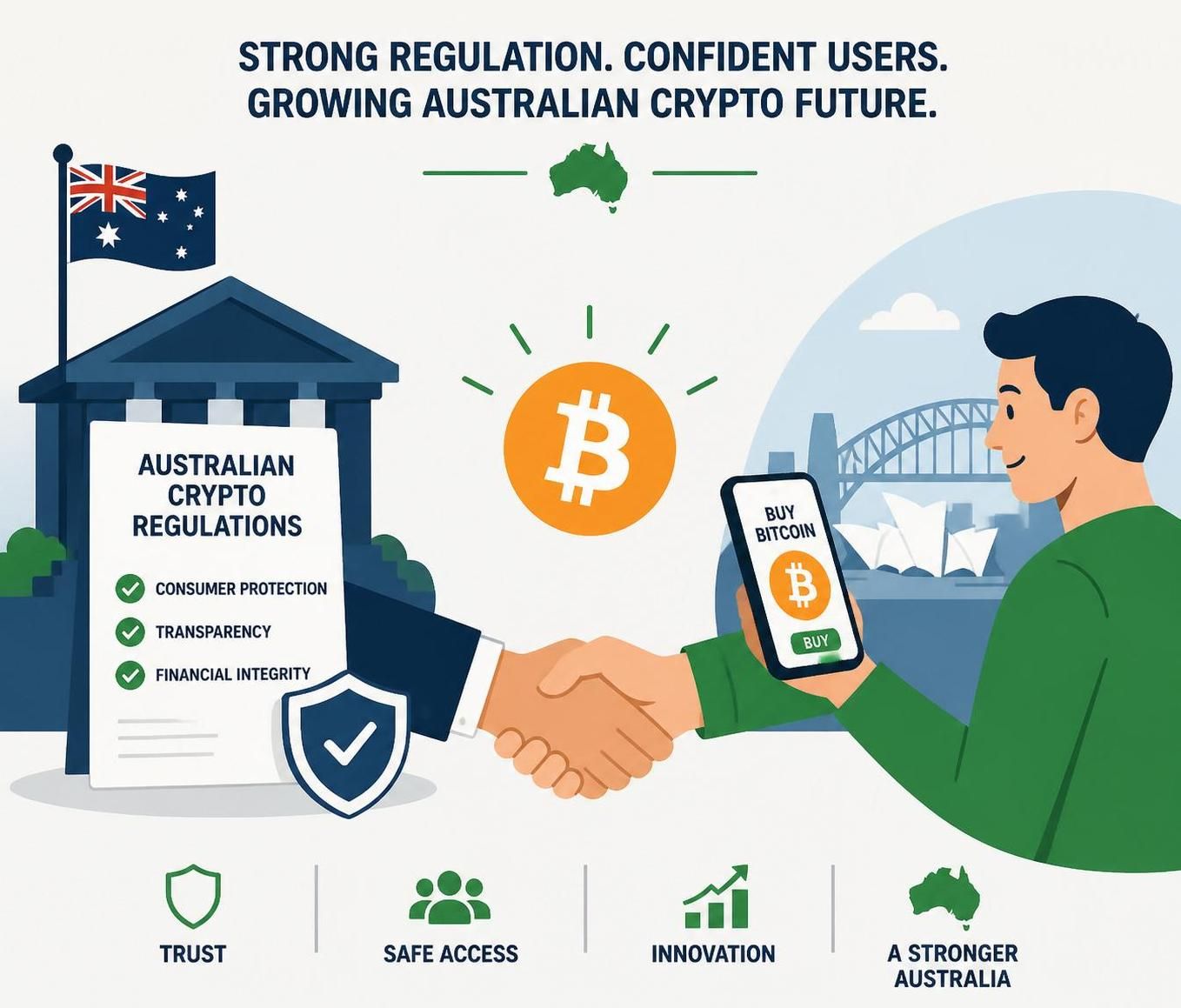
One of the foremost steps in any cryptocurrency Australia beginner’s journey is understanding the legal framework that governs buying, selling, and holding bitcoin. Australia is known for its proactive regulatory approach in the crypto space, primarily through AUSTRAC (Australian Transaction Reports and Analysis Centre), which oversees cryptocurrency exchanges as Digital Currency Exchange Providers (DCEPs).
To legally buy bitcoin Australia residents must use exchanges registered with AUSTRAC, which ensures compliance with anti-money laundering (AML) and counter-terrorism financing (CTF) standards. This compliance mandates stringent Know Your Customer (KYC) procedures, where users must verify their identities with government-issued identification and proof of address. This verification process is not just a bureaucratic hurdle; it plays a significant role in protecting investors from fraud and illicit activities.
Despite regulatory clarity, Australian banks maintain cautious policies regarding cryptocurrency transactions. Some banks like ANZ and Westpac may restrict or flag payments made to crypto platforms, which means buyers should check payment feasibility with their banking institution before initiating transactions. Using regulated exchanges reduces the risk of payment blocks, as these platforms liaise with financial institutions to ensure smoother transaction processing.
Interestingly, legislation has evolved since the rise of cryptocurrencies, embracing the technology while safeguarding consumer interests. For bitcoin beginners guide seekers, the assurance that bitcoin investment tips will be executed within a regulated ecosystem builds confidence to engage more deeply with crypto investments.
For further details on legal compliance and the regulatory environment, consult resources like trusted Australian cryptocurrency guides. Understanding these foundations can shield new investors from potential pitfalls and streamline the cryptocurrency acquisition process.
Choosing the Right Bitcoin Exchange Australia: Features and Security
Selecting the appropriate bitcoin exchange is pivotal to any successful cryptocurrency for beginners journey. Australia hosts a variety of platforms ranging from global giants like Binance and Kraken to locally focused exchanges such as Swyftx, each with distinct features, security measures, and fee structures.
Global exchanges like Binance boast an extensive cryptocurrencies catalog with over 400 options and deep liquidity, providing Australian users with competitive trading spreads and a seamless user interface. Binance enforces comprehensive KYC to meet AUSTRAC guidelines and offers instant deposit capabilities through options like PayID and bank transfers. However, users should be mindful of potential challenges, such as slightly limited AUD deposit options and ongoing regulatory scrutiny globally.
Alternatively, Swyftx has carved a niche as a beginner-friendly Australian exchange with straightforward onboarding, educational resources, and support for AUD deposits and withdrawals. The platform offers a wide selection of over 420 cryptocurrencies and a demo mode for users to practice trading without risking real funds. While its fees are slightly higher (starting around 0.6%), Swyftx shines in user experience, customer service, and compliance.
Security is non-negotiable when selecting a bitcoin exchange Australia-wide. Top platforms employ multi-factor authentication (MFA), cold storage for the majority of crypto assets, and rigorous internal controls to protect user funds. Established exchanges such as Kraken are renowned for combining institutional-grade security standards with accessibility, appealing especially to high-net-worth investors and experienced traders.
New users benefit immensely from reading exchange reviews and exploring platforms’ security features before making commitments. Additionally, look into whether the exchange offers educational tools and resources about crypto wallet setup and asset safekeeping, which are critical next steps after purchase.
To compare detailed features and fee structures, check out a comprehensive review at NewsBTC’s guide on buying bitcoin in Australia.
Step-by-Step Guide on How to Buy Bitcoin in Australia for Beginners
Embarking on your bitcoin purchase might seem complex, but with structured guidance, it becomes straightforward. Below is a detailed walkthrough tailored for the cryptocurrency for beginners community, illustrating the process on a typical trusted exchange like Binance or Swyftx.
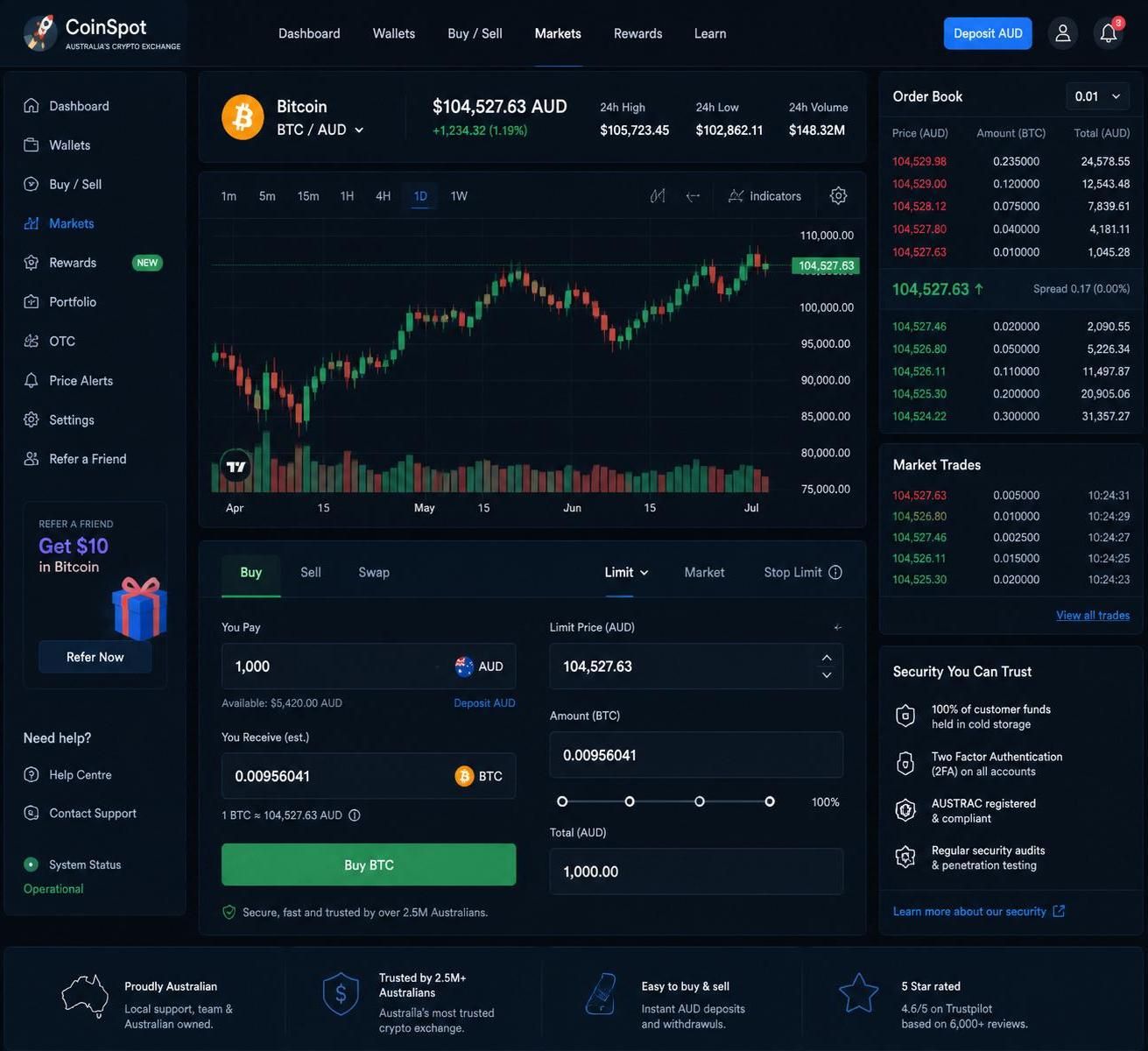
- Register an Account: Visit the exchange’s official website and create a new account by submitting your email and creating a secure password. Ensure you choose a reputable exchange compliant with AUSTRAC regulations to avoid legal issues.
- Complete KYC Verification: To abide by Australian AML laws, upload government-issued ID, proof of residence, and sometimes a live selfie. This step is mandatory before you make deposits or purchases.
- Deposit Funds: Top up your account with Australian dollars via bank transfer, PayID, or debit/credit card (noting card payments often incur higher fees). Using a bank transfer usually avoids processing fees.
- Buy Bitcoin: On the platform, search for Bitcoin (BTC), enter the amount you wish to purchase in AUD or BTC, and review the final amount including fees. Confirm your transaction and wait for processing, which is often instantaneous.
- Secure Your Bitcoin: Once purchased, transfer your Bitcoin to a private crypto wallet for better security, especially if you intend to hold long term rather than trading frequently on exchanges.
New investors can refer to in-depth guides at 99Bitcoins which elaborate on steps, tips, and platform reviews to accelerate learning.
Following these steps ensures a smooth introduction to the world of bitcoin investment and builds a solid foundation for smart asset management.
Comparing Payment Methods and Associated Fees for an Aussie Bitcoin Purchase
A critical consideration in any bitcoin beginners guide is understanding the payment options available and their respective cost implications. Australian users are fortunate to have multiple deposit and withdrawal methods tailored to diverse preferences, but each comes with distinct pros and cons.
- Bank Transfer and PayID: Most preferred for depositing Aussie dollars; no deposit fees apply, and transactions complete within minutes. Ideal for larger purchases to avoid high costs.
- Debit/Credit Cards: Offer instant deposits but typically incur fees ranging from 1.5% up to 3.5%. These are suited for small or urgent purchases but can become expensive for consistent use.
- Crypto Deposits or Transfers: For experienced users moving funds between wallets or exchanges. They should factor in network fees, called miner fees or gas, which depend on blockchain congestion.
- Crypto ATMs (CATMs): Provide physical access to crypto buying but come with significant fees up to 10% or more, plus a cap on transaction amounts (usually $5,000), and risk of using unregistered machines.
- Peer-to-Peer (P2P) Platforms: Facilitate direct trades but require trust between parties, higher risk of disputes, and often less legal protection.
Below is a table summarizing typical fee ranges and processing times for Aussie bitcoin purchase methods:
| Payment Method | Typical Fees | Processing Time | Notes |
|---|---|---|---|
| Bank Transfer / PayID | 0% | Minutes to hours | Most cost-effective; ideal for large transfers |
| Debit / Credit Card | 1.5% – 3.5% | Instant | Convenient but higher cost |
| Crypto Transfer | Network fee varies (miner/gas fee) | Minutes depending on blockchain | For peer transfers; extra security required |
| Crypto ATMs | Up to 10% or more | Instant | High fees and scam risk; capped amounts |
| Peer-to-Peer | Varies | Depends on parties | Requires trust; escrow recommended |
Choosing the right payment method balanced between cost, security, and convenience is a key bitcoin investment tip for new investors aiming to minimize unnecessary expenses.
Setting Up a Bitcoin Wallet: Securing Your Investment After Purchase
After successfully buying bitcoin in Australia, the next fundamental step is securing your digital asset through proper crypto wallet setup. While exchanges provide custodial wallets as a default, they do not offer the same level of security or ownership as personal wallets.
Wallets come in two main types:
- Hot Wallets: These are internet-connected apps or software wallets. They offer convenience for frequent trading and easy access but can be vulnerable to hacking if security best practices are not followed.
- Cold Wallets: These are hardware devices or offline storage solutions that keep your Bitcoin keys isolated from the internet, greatly reducing hacking risk and making them the preferred choice for long-term HODLers.
For beginners, starting with a reputable hot wallet like Exodus, Trust Wallet, or the wallets provided by Binance and Coinbase offers a balance of ease and security. For those looking to hold Bitcoin as a long-term investment, investing in cold wallets like Ledger Nano or Trezor adds a critical security layer.
It’s vital to backup your wallet seed phrases securely and avoid sharing private keys. Combining hardware wallets with multi-factor authentication and strong passwords ensures robust protection against theft.
Comprehensive tutorials and wallet reviews are available at Aussie Crypto Hub’s detailed wallet setup guide, which is highly recommended before diving into self-custody.
Recognizing and Avoiding Risks Associated with Bitcoin Purchasing in Australia
While buying bitcoin in Australia is straightforward with regulated platforms, potential risks must be clearly understood, especially for cryptocurrency beginners. Fraudulent exchanges, phishing attacks, price volatility, and scams targeting novice buyers represent critical areas to be vigilant about.
Crypto ATMs and peer-to-peer transactions, despite some convenience, pose elevated risks due to less oversight. Unregistered CATMs have been hotspots for scams where buyers lose funds with no recourse. Similarly, P2P platforms require high trust levels, and without proper escrow and verification systems, transactions can be disputed or revoked unexpectedly.
Volatility is inherent to bitcoin and wider cryptocurrency markets, so newbies should avoid over-investing early on and consider dollar-cost averaging strategies. Keeping informed on market developments and regulatory updates through trustworthy sources helps traders make balanced decisions.
Another often overlooked but vital component of safe bitcoin buying is understanding taxation. In Australia, the Australian Taxation Office (ATO) classifies cryptocurrencies as assets and requires accurate reporting of capital gains and losses. Buyers should maintain detailed records of purchase price, dates, and trades for tax purposes, potentially consulting with financial advisors or crypto tax services.
Platforms like CoinTrack offer helpful guides and tools tailored to Aussie investors to stay compliant and avoid penalties.
Reviewing Top Crypto Exchanges in Australia: Comparison Table and Insights
Choosing a platform that aligns with your needs is essential for a smooth bitcoin buying experience. Below is a comparison of the leading crypto exchanges available for Australians, taking into account fees, supported coins, KYC requirements, and ideal user profiles.
| Platform | Supported Cryptos | Fees | KYC Required | Best For |
|---|---|---|---|---|
| Binance | 400+ coins | 0.1% maker/taker | Yes, AUSTRAC compliant | Large selection and deep liquidity |
| Kraken | 250+ coins | 0.16% – 0.26% depending on volume | Yes | Security-focused and institutional |
| Swyftx | 420+ coins | From 0.6% | Yes | Beginner-friendly, Australian based |
| MEXC | 1950+ coins | 0.1% | Yes | High volume, futures trading |
| KuCoin | 780+ coins | 0.1% | Yes | Advanced traders, fee discounts |
| Crypto.com | 325+ coins | 0.2% | Yes | Crypto debit card and perks |
This table serves as a foundational overview and users should dive deeper into each exchange’s policies and user reviews before committing funds. For a comprehensive assessment tailored to the Australian market, visit Compare Crypto’s exchange review.