
In the rapidly evolving landscape of cryptocurrency, ensuring the legitimacy and regulatory compliance of a crypto exchange is crucial for traders and investors. With Australia’s enhanced regulatory framework in 2026, the scrutiny imposed by the Australian Securities and Investments Commission (ASIC) on digital asset platforms and crypto exchanges has intensified. Navigating this landscape requires a clear understanding of ASIC regulation, the essential criteria for ASIC licensing, and the practical steps needed to verify a crypto exchange’s compliance. This comprehensive analysis delves into these intricacies, highlighting key factors, compliance challenges, and regulatory expectations for crypto businesses in Australia.
The growing adoption of cryptocurrencies has prompted regulatory authorities worldwide to implement measures that protect investors and preserve market integrity. In Australia, the integration of crypto exchanges into ASIC’s regulatory ambit signifies a move towards a more formalized financial supervision system. For crypto users and entrepreneurs, knowing how to check if a crypto exchange is ASIC regulated safeguards their assets and fosters confidence in the platform’s operational transparency. This article elaborates on why ASIC regulation matters, methods for exchange verification, and ongoing responsibilities under the ASIC license regime.
Understanding ASIC Regulation and Its Importance for Crypto Exchanges
The Australian Securities and Investments Commission (ASIC) is the primary regulatory authority overseeing financial markets, providers, and consumer protection in Australia. Unlike many jurisdictions where crypto regulation remains vague or decentralized, ASIC has established clear mandates covering crypto exchanges, digital asset platforms, and related financial services. ASIC regulation ensures a crypto exchange operates with due diligence and compliance with Australian financial laws, making it a benchmark for trust and security in the sector.
ASIC Regulation Defined: ASIC regulation involves the licensing and oversight of financial service providers under the Corporations Act 2001 (Cth). Crypto exchanges that provide services deemed financial products or facilitate trading or custody of digital assets must obtain an Australian Financial Services Licence (AFSL). The 2026 amendments to the Corporations Act, specifically the Digital Assets Framework, broaden the AFSL regime to include digital asset platforms that hold or control clients’ tokens.
For crypto users, engaging with an ASIC regulated exchange means that the platform must adhere to stringent conduct obligations, disclosure requirements, capital adequacy standards, and robust security protocols. These rules aim to minimize fraud, reduce operational risks, and enhance transparency, thus protecting investors from losses caused by misconduct or mismanagement.
The Role of ASIC in Financial Regulation for Cryptocurrency: ASIC’s mandate extends beyond licensing. It conducts regular compliance checks, enforces regulations through penalties or injunctions, and takes action against exchanges operating without proper authorization. This oversight ensures that crypto exchanges maintain industry standards akin to traditional financial institutions.
Moreover, ASIC’s regulatory framework complements anti-money laundering (AML) and counter-terrorism financing (CTF) responsibilities enforced by AUSTRAC, facilitating a dual compliance environment that enhances overall crypto security in Australia. This integrated approach demonstrates ASIC’s commitment to establishing a secure and reputable crypto ecosystem.
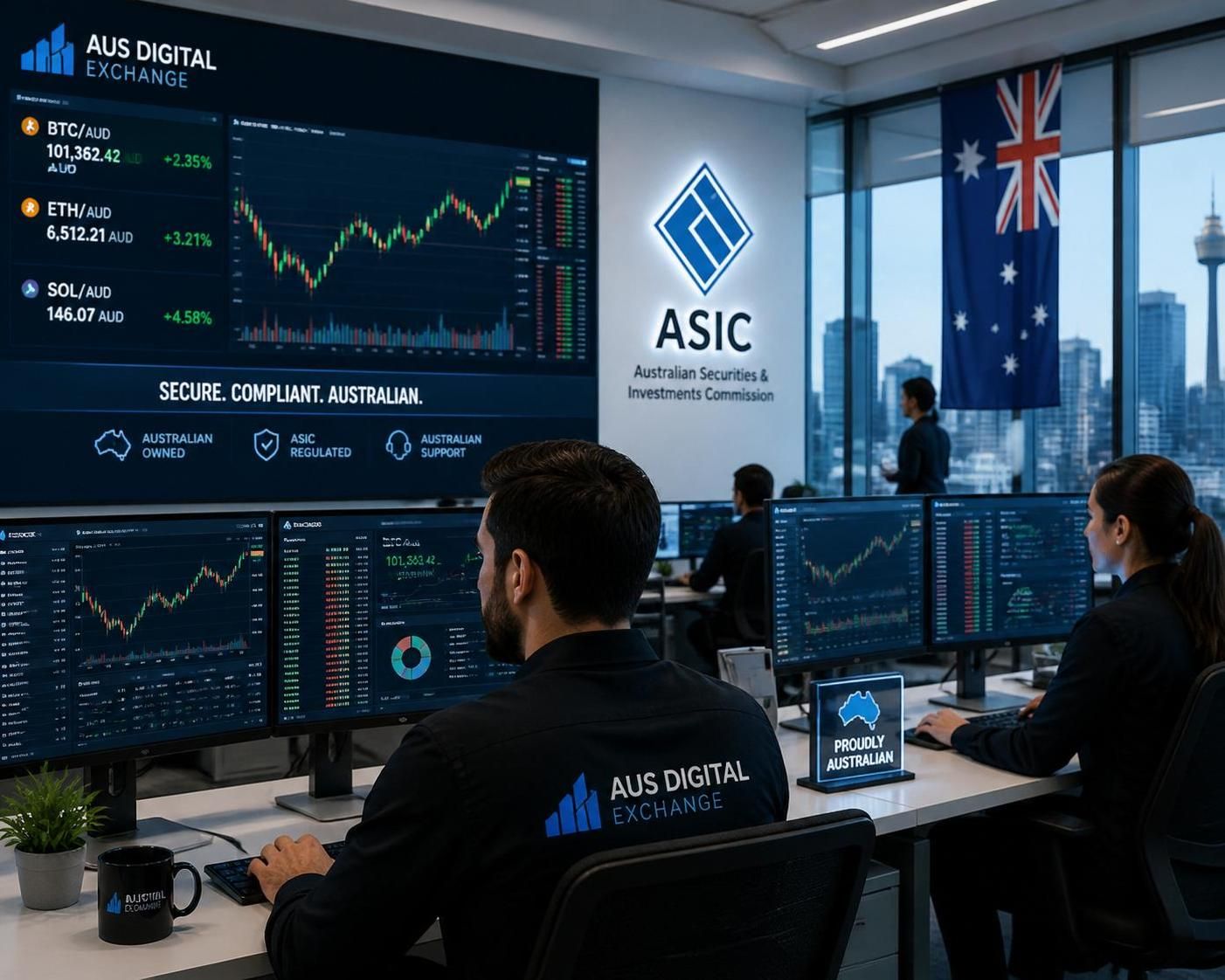
Key Steps to Verify if a Crypto Exchange Holds an ASIC License
Checking whether a crypto exchange is ASIC regulated requires specific due diligence involving publicly available resources and understanding regulatory criteria. Unlike casual claims of compliance, genuine ASIC licensing can be verified through official channels.
Step 1: Reviewing the ASIC Company and Licence Records
ASIC maintains an online public register where the details of licensed financial service providers are available. Investors can search by company name, Australian Business Number (ABN), or Australian Company Number (ACN) to confirm the existence and current status of an ASIC license.
For example, verifying the license status involves checking whether the license is “Registered” and not cancelled or suspended. Additionally, any specific conditions applying to the license will be listed, which could impact the scope of services the crypto exchange can legally offer. This is essential to ensure the platform operates within its licensed capacity.
Step 2: Examining ASIC Regulatory Guides and Reports
ASIC publishes regulatory guides such as INFO 225, which clarify when certain digital assets or services fall under financial product definitions requiring a license. Crypto exchanges should comply with these guidelines, and evidence of adherence is often found through ASIC published reports or enforcement notices.
Furthermore, ASIC’s website includes warnings against unlicensed operators, listing those entities under investigation or action, which should prompt caution when dealing with such platforms.
Step 3: Cross-Referencing with Industry Resources
Third-party platforms like BrokerXplorer and ASIC’s own website offer detailed verification services and regulatory insights. These resources can be employed to perform a compliance check and ensure the crypto exchange has maintained updated licensing status and adheres to ASIC’s regulatory standards.
Because cryptocurrency exchanges may advertise ASIC regulation, verifying claims via these official and respected sources mitigates the risk of falling prey to fraudulent or unregulated platforms.
The Australian Financial Services Licence (AFSL) Requirement and Its Implications
One pivotal element of ASIC regulation relevant to crypto exchanges is the Australian Financial Services Licence (AFSL). The introduction of the Digital Assets Framework as part of the Corporations Amendment Act means many active crypto platforms that hold client assets or offer pooled investment products must hold an AFSL.
Who Needs an AFSL? Any digital asset platform classified under Section 761GC or 761GD of the Corporations Act — commonly crypto exchanges, OTC desks, or custody providers holding digital tokens on behalf of clients — must apply for and maintain an AFSL.
Holding an AFSL means the licensee accepts responsibility for complying with ASIC’s regulatory requirements, including:
- Maintaining transparent governance and risk management frameworks
- Complying with strict disclosure and client communication mandates
- Implementing custody and asset protection standards compliant with ASIC’s Regulatory Guide 133 (RG 133)
- Ongoing reporting and audit obligations
Failure to obtain or comply with AFSL conditions can lead to enforcement actions such as penalties and operational restrictions. Notably, ASIC has set a deadline of June 30, 2026, for affected crypto entities to lodge complete AFSL applications to benefit from transitional relief, making timely compliance imperative.
This evolving landscape underscores the critical need for crypto platforms to understand and adapt to financial regulation changes to operate legally within Australia.
Exchange Verification Techniques Beyond Official Registers
While official verification through ASIC registers is fundamental, several additional steps enhance the investor’s ability to discern the legitimacy of a crypto exchange:
1. Check Website and Contact Information: Genuine ASIC regulated platforms typically display license numbers and ASIC status information prominently on their site. It is prudent to cross-reference this information with ASIC public registers for correspondence.
2. Investigate Platform Reviews and Community Feedback: Observing feedback on forums, social media, and crypto communities can highlight red flags or affirm a platform’s reputation. Fraudulent platforms usually lack transparency and have inconsistent user experiences.
3. Scrutinize Security Measures and Compliance Documentation: ASIC regulated exchanges follow detailed crypto security protocols, including secure private key management, multi-sig wallets, and regular audits. Legitimate platforms generally provide transparency about their custody arrangements and regulatory compliance.
4. Evaluate KYC and AML Policies: ASIC mandates platforms to implement stringent Anti-Money Laundering and Counter-Terrorism Financing (AML/CTF) policies, often dual-regulated alongside AUSTRAC. Proper customer verification processes indicate regulatory alignment.
Australia’s approach under ASIC’s guidance is distinctive for its comprehensive integration of crypto exchanges into the mainstream financial regulation fabric. It contrasts with regulators in other jurisdictions that may still treat cryptocurrency technology as outside traditional frameworks. Notably, Australian regulation requires an AFSL for platforms involved in financial products related to digital assets, positioning crypto exchanges on par with banks or investment firms regarding licensing and operational standards. This contrasts with less stringent models, for example, some U.S. states relying on money transmitter licenses or Europe’s Markets in Crypto Assets (MiCA) proposal still in flux as of early 2026. Such stringent Australian regulation ensures enhanced investor protection but also requires crypto businesses to invest heavily in compliance, governance, and infrastructure. This balancing act is crucial for long-term sustainability and reflects a growing trend to legitimize the crypto sector while mitigating illicit use and financial crime risks. A transparent and collegial relationship with ASIC can also facilitate innovation by providing firms with clear pathways to compliance and legal certainty. The history of ASIC enforcement reveals valuable lessons for crypto exchanges seeking proper regulatory status. Several significant actions illustrate typical compliance failures and regulatory priorities. Binance Australia Case: This landmark case penalized Binance for misclassifying retail investors as wholesale clients, leading to diminished investor protections. Such misclassification violates ASIC’s client categorization rules and can result in substantial fines and operational setbacks. Unofficial Licensing Attempts: Cases like Australian Securities and Investments Commission v BPS Financial Pty Ltd demonstrated that merely partnering with authorized representatives without securing a direct AFSL exposes entities to harsh penalties and injunctions. Unregistered Managed Investment Schemes (MIS): ASIC has aggressively shut down unlicensed schemes that pool investor crypto assets without AFSL coverage, as seen with NGS Crypto’s court-ordered winding up. This emphasizes the risk of offering financial products without proper authorization. These cases emphasize the importance of rigorous compliance checks and the inevitable consequences of neglecting ASIC licensing requirements. For a crypto exchange, securing an ASIC license is more than regulatory adherence—it is a strategic asset enhancing market credibility, investor confidence, and operational transparency. Enhancing Customer Trust: Being ASIC regulated signals to clients that the platform adheres to high standards of financial conduct and security. This reputation often translates into increased liquidity and trading volumes. Access to Institutional Capital: Many institutional investors and funds require licensed counter-parties to mitigate regulatory risks. ASIC-licensed exchanges become attractive partners for industry collaboration and financing. Legal Security and Market Longevity: Proper licensing shields exchanges from costly enforcement actions and potential shutdowns. It enables them to operate smoothly within Australia’s financial ecosystem. Operational Advantages: ASIC licensing often brings clarity in business processes, governance, and client service, which can streamline operations and foster sustainable growth in a competitive environment. The regulatory landscape for crypto exchanges in Australia continues to evolve, with ASIC and AUSTRAC likely to implement more integrated and technologically forward frameworks in coming years. Expect increased emphasis on: Crypto exchanges must proactively invest in compliance infrastructure and legal expertise to adapt to these changes and maintain ASIC regulated status. For detailed guidance on navigating the current regime, businesses can consult resources such as AFSL House’s insights on Australian crypto exchange requirements or Digital One Agency’s guide on the new digital asset licenses.Comparing ASIC Regulatory Practices with Other Global Crypto Compliance Models
Common Pitfalls and Enforcement Actions in ASIC Crypto Licensing
Benefits of Ensuring ASIC Regulated Status for Crypto Exchanges
Benefits of ASIC Regulation
Impact on Crypto Exchanges
Regulatory compliance assurance
Legal permission to operate and avoid penalties
Investor confidence
Greater user trust leading to increased adoption
Market Access
Eligibility to work with institutional investors
Enhanced security standards
Stronger asset protection and reduced fraud risk
Reputational advantage
Competitive differentiation in a crowded market
Future Trends in ASIC Regulation and Cryptocurrency Compliance